
Industries
Training shaped around your sector
Choose your industry

Healthcare
Training for clinical, non-clinical, security, emergency and community-based healthcare roles, tailored to each service's risks and patients.
Primary care services
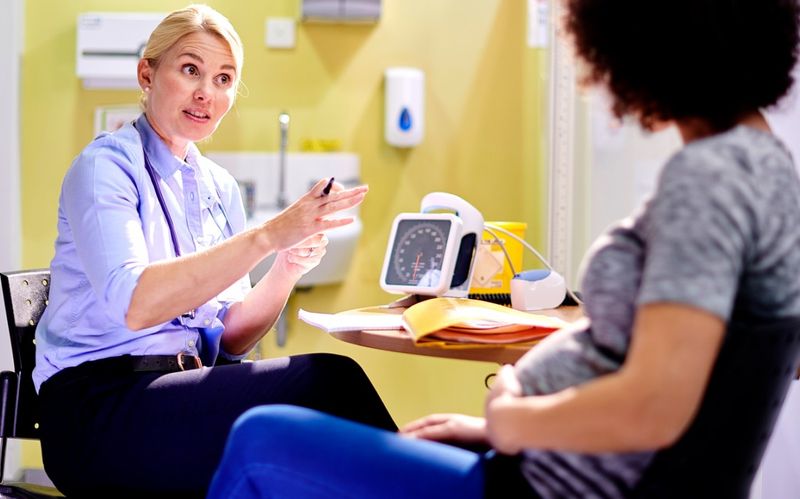
Primary care teams support patients with complex physical, psychological and emotional needs, and can face conflict, behaviours of concern and the personal safety risks of lone and remote working.
Maybo training gives reception staff, practice managers, pharmacy teams and clinicians the skills to prevent and de-escalate emotive situations, create a safe and welcoming environment, respond to a mental health crisis and work as a team when incidents occur. Lone workers learn safer travel and home visit practice, including situation assessment, positioning and exit strategies.
- Identifying risk scenarios and behaviours of concern
- Understanding clinically related behaviours of concern
- Safer working practices (team and lone working)
- Meeting needs and reducing distress
- Community lone working and home visits
- Positive approaches and de-escalation
Hospitals

Hospital staff care for patients whose complex needs can lead to distressed, unpredictable or risky behaviour, often unintentional and linked to a clinical condition or treatment. Conflict with relatives and visitors adds further pressure.
Maybo gives clinical and non-clinical teams positive approaches to behaviours of concern, effective communication and de-escalation skills. Where needed, staff learn simple positioning and low arousal disengagement and guiding skills, extending to clinical holding in higher risk areas.
- Identifying risk scenarios and behaviours
- Understanding clinically related behaviours of concern
- Safer working practices (team and lone working)
- Meeting needs and reducing distress
- Reducing vulnerability and restrictive practices
- Positive approaches and de-escalation
- Safer, low arousal assault avoidance skills
Ambulance services
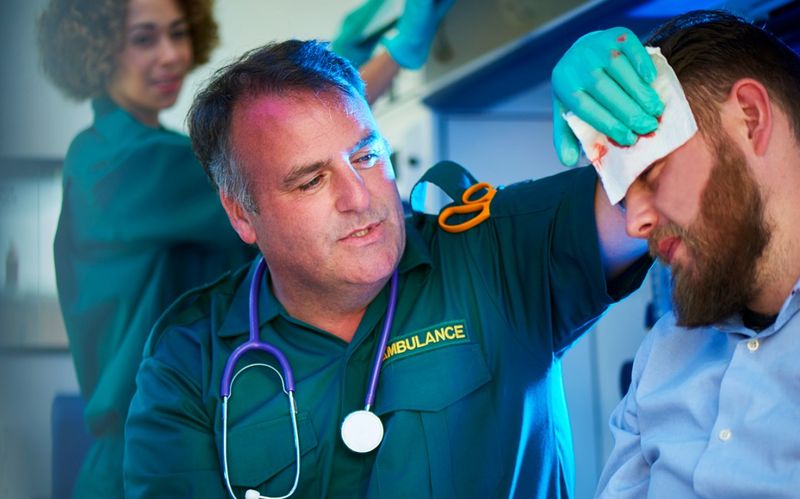
Emergency ambulance crews operate in unpredictable and challenging circumstances that present risks for staff and the people they are trying to help.
Maybo has supported ambulance services for over 20 years and we have dedicated programmes designed to meet the unique needs of emergency and patient transport roles. Our training helps paramedics and emergency care assistants to dynamically assess risk as a situation unfolds and confidently de-escalate behaviours of concern involving patients and bystanders. We can include personal safety skills and ways to disengage from violent individuals, and practical low arousal skills to reduce risks of injury when facilitating essential care to a confused patient. Our programmes for staff in patient transport roles address the specific situations and behaviours they can experience day to day.
- Programmes designed specifically for each ambulance role
- Covers both deliberate and clinically related behaviours of concern
- Safer working practices (team and lone working)
- Dynamic risk assessment and decision making
- Real-world de-escalation skills and exit strategies
- Safer, low arousal guiding and assault avoidance skills
- Skills to facilitate essential care to a confused patient
Healthcare security
Healthcare is one of the most demanding settings in which to deliver security, and officers need the knowledge and skills to keep patients, visitors and staff safe.
Maybo training builds security officers' confidence to recognise risk, de-escalate and manage behaviours of concern, and work alongside clinical colleagues, with safer, non-aggressive interventions taught for use only as a last resort.
- Identifying conflict and risk scenarios
- Understanding triggers and clinically related behaviour
- Safer working practices (team and lone working)
- Dynamic risk assessment
- Positive approaches and de-escalation
- Reducing vulnerability and restrictive practices
- Mental health crisis first response
- Safer, non-aggressive interventions

Social Care
Training for residential, supported living, community, day service and lone working roles, built around the people you support.
Older adults' services
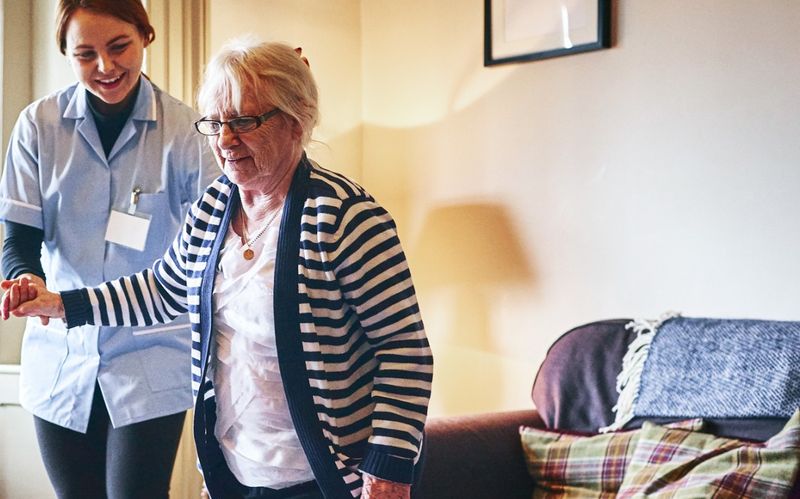
Staff supporting older adults and people living with dementia often experience confused and distressed behaviours, sometimes while short-staffed and managing higher-acuity caseloads.
Maybo has worked with service providers in designing specific training for staff who care for older adults, which we tailor further for each client based on the level and complexity of the needs of their residents. Our person centred and trauma informed training builds staff understanding and confidence in reducing distress and responding safely and professionally to risk situations. We help staff recognise restrictive practices and how to reduce these, while providing practical low arousal approaches and skills to safely undertake day to day tasks such as personal care. Training can be Certified by ACT against the RRN Training Standards.
- Understanding behaviour and distress responses
- Person-centred, trauma-informed communication
- Low arousal responses to distress and de-escalation
- Recognising and reducing restrictive practices
- Respectful and safer approaches to day to day tasks
Learning disabilities and autism

Staff supporting people with learning disabilities, autism and diverse sensory needs need approaches that respect the individual and reduce the need for restrictive practices.
Maybo's Positive Behaviour Support, de-escalation and physical skills training uses neuro-affirmative, low arousal methods. Staff learn to understand a person's physiological and emotional needs, improve their environment, promote respect and choice, and safely defuse emotive situations, with simple low arousal physical skills for last resort use.
- Identifying risk scenarios and behaviours of concern
- Understanding their causes and functions
- Safer working practices (team and lone working)
- Positive behaviour support; trauma-informed
- Reducing vulnerability and restrictive practices
- Positive approaches and de-escalation
- Safer, low arousal interventions
Children's services

Professionals in children's services work in a sensitive, high-risk area where the safety and wellbeing of colleagues and young people depend on skilled, confident practice.
Maybo's training follows the principles of positive behaviour support, helping staff in residential care, short breaks, youth centres and educational settings understand children's needs, strengthen relationships and reduce behaviours of concern. Alongside de-escalation, staff can learn simple low arousal methods for last resort use, supporting their duty of care and regulatory requirements.
- Identifying risk scenarios and behaviours of concern
- Understanding children's developmental needs and behaviours
- Safer working practices (team and lone working)
- Trauma and attachment informed approaches
- Positive behaviour support
- Positive approaches and de-escalation
- Reducing vulnerability and restrictive practices
- Safer, low arousal interventions
Mental health services

Maybo delivers training across a wide range of settings and roles in Mental Health including inpatient and psychiatric intensive care units, and community services for people of all ages. Our clients are supported from the outset by Maybo specialists with extensive background experience in MH services, who understand how vital and demanding this work can be.
Our training focuses on trauma informed relational approaches that reduce conflict and help staff supported individuals feel safe. We teach skills to manage distress and de-escalate emotive situations, including how to communicate with a person experiencing a mental health crisis. We cover situation assessment, decision making and personal safety skills. Where necessary we can include physical interventions, with a focus on the least forceful and restrictive approach to create safety.
Training can be Certified by ACT against the RRN Training Standards.
- Identifying risk scenarios and behaviours of concern
- Understanding their causes and functions
- Safer working practices (team and lone working)
- Promoting recovery through relational, trauma-informed approaches
- Meeting needs and reducing distress
- Reducing vulnerability and restrictive practices
- Positive approaches and de-escalation
- Safer, low arousal interventions
Substance misuse services

The Maybo team has extensive experience working and training in substance misuse services in various forms. We know how demanding this work can be, supporting people who can be vulnerable and at times unpredictable.
Our training focuses on trauma informed relational approaches that reduce conflict and help staff supported individuals feel safe. We teach skills to manage distress and de-escalate emotive situations, including how to communicate with a person experiencing a mental health crisis. We cover situation assessment, decision making and personal safety skills. Where necessary we can include physical interventions, with a focus on the least forceful and restrictive approach to create safety.
- Identifying risk scenarios and behaviours of concern
- Understanding their causes and functions
- Substance misuse and behaviour
- Safer working practices (team and lone working)
- Promoting recovery and trauma-informed approaches
- Positive approaches and de-escalation
- Handling disruptive behaviours and behaviours of concern
- Safer, low arousal interventions
Neuro-disability

Professionals in neuro-disability settings support people with acquired brain injury who often have varied and complex needs, and can face real pressure in challenging situations.
Maybo training helps staff understand how a person's injury, circumstances, staff and environment shape their needs and behaviour. Safer working practices for common ABI care tasks reduce arousal, improve communication and keep staff safe, extending to clinical holding where needed. Gentle, low arousal physical skills are taught for last resort use.
- Identifying risk scenarios and behaviours of concern
- Understanding clinically related behaviours of concern
- Safer working practices (team and lone working)
- Meeting needs and reducing distress
- Reducing vulnerability and restrictive practices
- Positive approaches and de-escalation
- Safer, low arousal interventions
Discover how we can help you create a safer workplace
Talk to our team about training tailored to your people, risks and environment.