Choose another country or region to
see content specific to your location
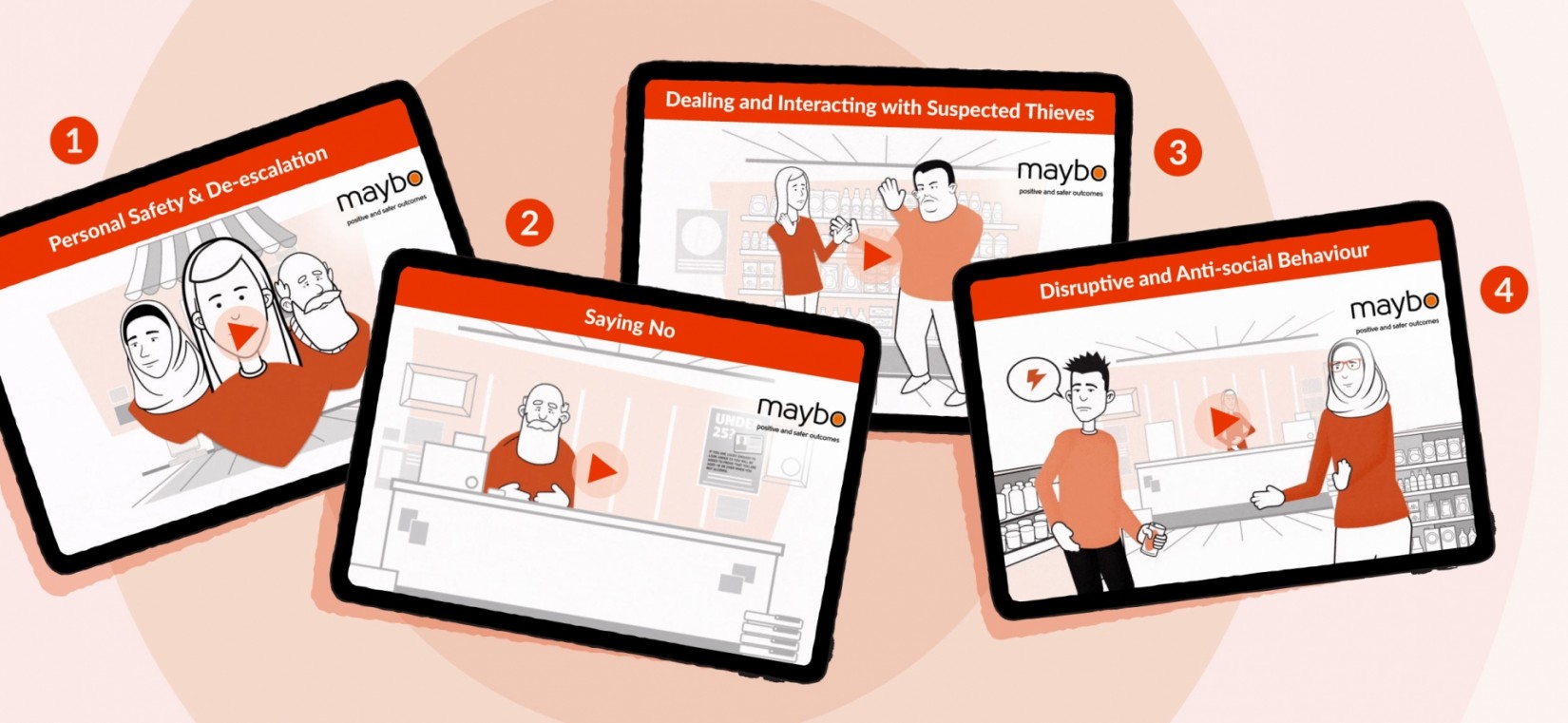
This four-part video guide helps shopworkers reduce conflict and the risks of workplace violence by outlining common flashpoints
The SDA, a union for retail, fast food, warehouse and online retail workers, has published a survey of 4,600 workers that revealed 76% had experienced regular verbal abuse over the past 12 months, while 12.5% had suffered physical violence. This represents a 50% jump since a similar survey just two years ago.
A retail employee safety council set up by the SDA, ARA, and major retailers is advocating for tougher laws and penalties for assaulting retail workers, and developing training and support for staff to address trauma.
Maybo UK has created a four-part video series guiding retail workers on reducing conflict and the risks of workplace violence such as verbal abuse, threats, and assault. We wanted to share these videos because they outline some of the common flashpoints that can lead to these behaviours.
It’s okay for a customer to be unhappy or even angry about something, it’s not okay for them to be abusive or violent. Part one of our retail series is intended to show you effective ways to de-escalate situations to keep everyone safer.
Sometimes we can’t provide what a customer asks for, whether it’s completing returns and refunds, or supplying age-restricted items. The second video in our series is intended to show ways you can reduce conflict when you need to communicate 'no' or refuse service.
Research shows that a high number of assaults in the retail sector occur when confronting suspected thieves, but retail staff may not be aware that one of the actions that deters shoplifters most effectively is being greeted or approached by a helpful sales assistant. This third video, which focuses on scenarios relevant to UK audiences, identifies ways you can discourage and deter theft while remaining safer during interactions with a person suspected of stealing goods.
Disruptive and anti-social behaviour can lead to staff or customers feeling harassed and intimidated, however, it’s important not to generalise in your thinking about a particular individual or group and to instead focus on behaviours of concern when they occur. Using the tools and tips outlined in this video will help you manage situations as safely as possible.
Maybo has supported retailers for over 25 years, helping to shape national guidance and working with leading global brands. Our comprehensive range of resources provides cost-effective training for different staff roles including sales assistants, store managers and security teams.
Sign up for our eLearning course: Reducing Conflict and Violence Risks in Retail Settings
Explore our training programmes or contact our team to discuss your training needs.
If you would like to discuss how we can help you please get in touch with one of our experts today