Choose another country or region to
see content specific to your location
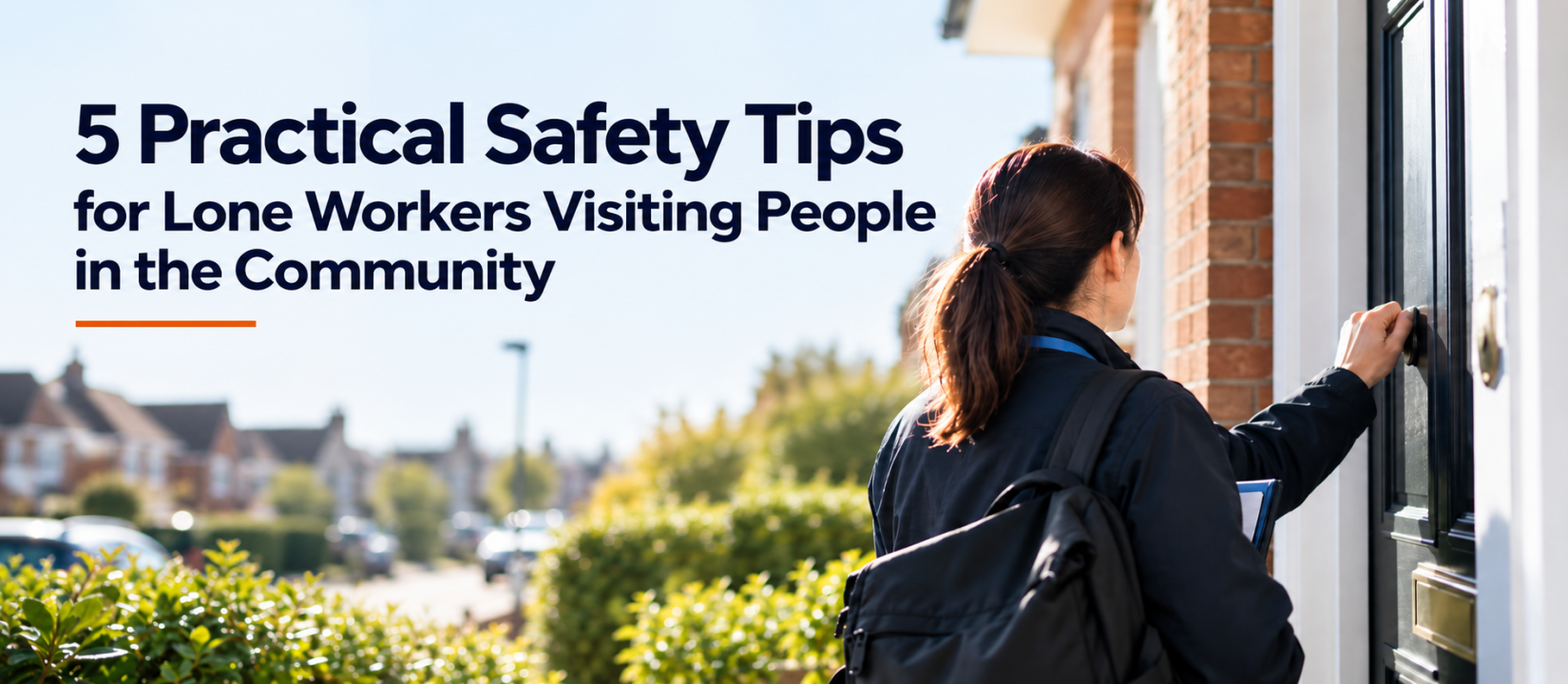
Simple ways to prepare, stay aware and respond when circumstances change
Many professionals regularly travel into the community to meet people as part of their work.
Community healthcare staff, social care workers, housing officers, support workers, enforcement staff and others may visit people in their homes, attend unfamiliar locations or meet members of the public without the immediate support of colleagues.
Most visits will take place without incident. However, working away from a familiar workplace can introduce additional considerations. You may have less control over the environment, limited knowledge of who else will be present and fewer colleagues immediately available if circumstances change.
Good preparation can help you recognise potential risks earlier and give you more options if something does not go as planned.
Personal safety should never rest solely with the individual worker.
Employers have a responsibility to identify and manage the risks associated with lone working. Health and Safety Executive guidance makes clear that organisations should assess the risks faced by employees who work alone and put appropriate arrangements in place to protect them.
This may include providing relevant information and training, establishing clear lone-working procedures, ensuring suitable communication systems are available and deciding what should happen if a worker needs assistance.
Workers also have an important role to play by following agreed procedures, using the safety measures available to them and reporting concerns, incidents and near misses.
If your role involves visiting people in their homes or elsewhere in the community, make sure you understand your organisation's arrangements before you set off.
Useful questions to ask include:
Personal safety strategies should sit alongside good organisational controls, not replace them.
With that foundation in place, here are five practical considerations for anyone visiting people alone in the community.
A few minutes of preparation can make a significant difference.
Consider who you are meeting, where the visit will take place and what you already know about the circumstances.
Ask yourself:
Where relevant information is available about previous incidents, known behaviours or changes in circumstances, make sure you have considered it before attending.
And if the information available suggests that the visit may present a higher level of risk, consider whether it should take place alone at all.
Planning is not about trying to predict everything that could go wrong. It is about making sure you have options if circumstances change.
Situational awareness begins before you reach the person you are visiting.
When walking to or from appointments, avoid anything that significantly reduces your awareness of what is happening around you.
That includes listening to music through headphones where it prevents you from hearing your surroundings. In particular, avoid using noise-cancelling headphones when travelling alone and needing to remain alert.
Your hearing can provide important information about approaching people, vehicles, raised voices, alarms or other changes in the environment.
As you approach the property or meeting location, take a moment to look around before going in.
Notice:
Also think about where you park. A space that makes it easy to leave may be more useful than simply choosing the closest available spot.
If something is significantly different from what you expected, give yourself permission to stop and reassess before continuing.
The aim is not to be constantly suspicious. It is simply to notice relevant information early enough to make a safer decision.
Once you meet the person, think about the environment you are entering and where you choose to position yourself.
If you are invited into a property, consider which room you are going into, where the exits are and how easily you could leave if necessary.
Where reasonably possible:
Try not to become so focused on the conversation that you lose awareness of your surroundings.
Good positioning is not about expecting something to go wrong. It is about preserving your options if it does.
One of the most important options a lone worker can maintain is the ability to disengage, create distance and leave safely.
Before you begin the meeting, have an idea of how you could naturally step away if you became uncomfortable.
It can be much harder to think clearly when you are under pressure, so having a few pre-prepared reasons for leaving can be useful.
For example:
The reason does not need to be complicated. It simply gives you a natural way to create some distance, move towards a safer location and reassess what is happening.
At the same time, continue to monitor the interaction for changes.
Potential warning signs might include:
You do not have to wait until someone becomes overtly aggressive before deciding to act.
If something does not feel right, you might change your position, create more space, step outside, contact a colleague or end the visit altogether.
Where communication remains appropriate, staying calm and clear may help prevent further escalation. But your safety should take priority over trying to continue an interaction that is becoming unsafe.
Think about creating time, distance and access to help.
If you are visiting someone alone, make sure another person knows where you are and when they should expect to hear from you.
Before travelling, let a colleague, manager or nominated buddy know:
You might send a simple message when you arrive:
"I'm here now. I'm going in and I'll contact you again by 3.30pm."
Then make contact again when you have safely left.
The most important part of any buddy system is agreeing what happens if you do not check in.
Your buddy should know:
A buddy system should therefore be more than simply telling someone where you are.
There needs to be a clear trigger for action if you fail to make contact.
Personal safety does not end when the visit is over.
If something happened that made you feel unsafe, report it in line with your organisation's procedures.
That remains important even if you were able to leave safely and no physical incident occurred.
Near misses can highlight:
The experience of frontline workers is an important part of understanding and managing risk.
Lone workers can take practical steps to improve their awareness and preserve their options, but they should not be expected to manage every risk themselves.
Effective community visiting depends on wider organisational arrangements, including risk assessment, policies and procedures, communication systems, supervision, training, technology and learning from incidents.
For the person making the visit, the key principles are straightforward:
Plan before you arrive. Stay aware as you approach. Think about your position. Have a way to leave. Make sure someone knows where you are.
These simple habits can help you recognise changes earlier and give you more options if a situation does not go as planned.
Maybo helps organisations support lone workers to recognise risk, make safer decisions and respond confidently when situations change.
Our workplace training can be delivered in person, virtually or through self-study, giving organisations flexibility to choose an approach that suits their people and working environment. Training covers areas such as personal safety, situational awareness, recognising and responding to early warning signs, safer communication and de-escalation.
Want to help your lone workers stay safer when visiting people in the community? Contact Maybo to discuss how we can support your organisation and your teams.
If you would like to discuss how we can help you please get in touch with one of our experts today
Comments
[Disqus comments for content1148]